
Cleric AI: Revolutionizing Cloud-Native SRE with Autonomous Solutions
AI AgentsDescription
Cleric is an autonomous AI SRE that helps engineering teams quickly diagnose production issues in complex cloud-native environments.
Website Preview
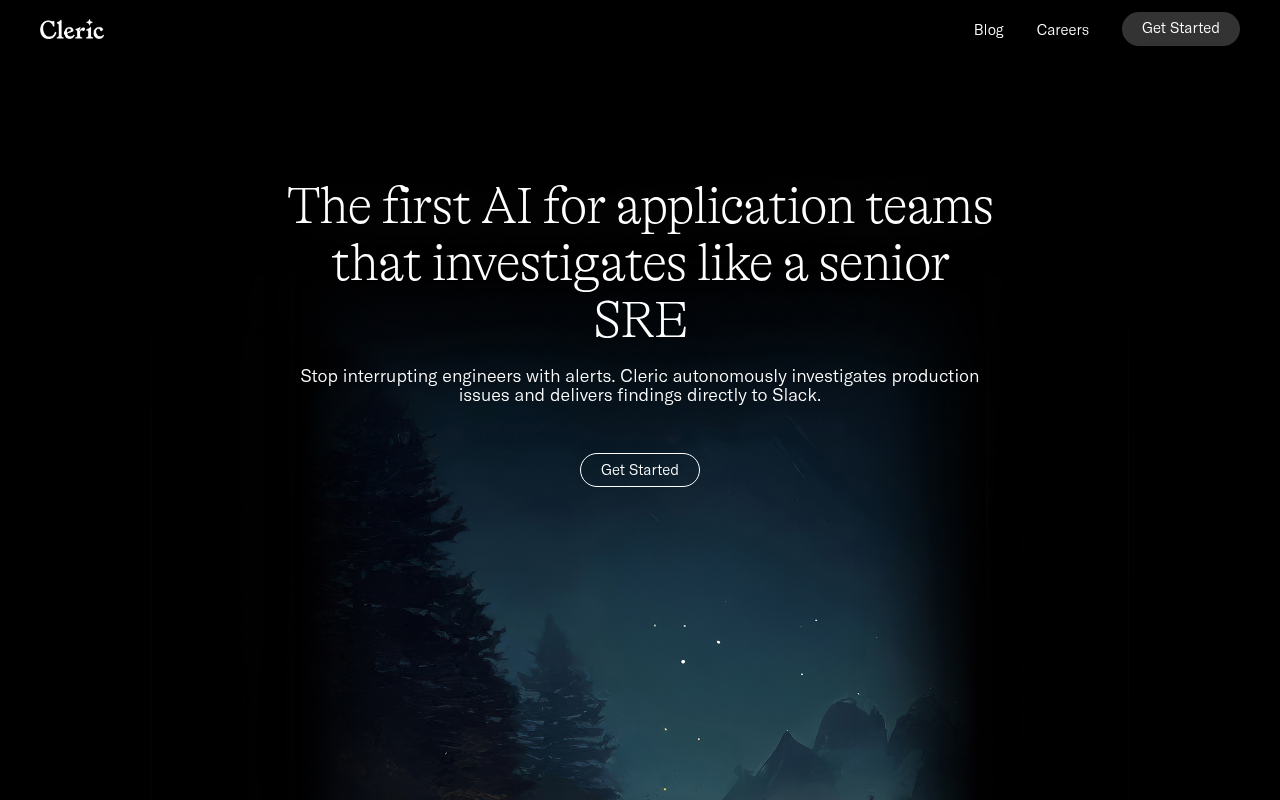
Click to view full size
About This Website
What is Cleric?
Cleric is an AI-powered Site Reliability Engineering (SRE) teammate designed to help engineering teams quickly identify and resolve production issues within sophisticated cloud-native environments. By leveraging artificial intelligence, Cleric automates many of the traditionally manual and time-consuming tasks associated with SRE, such as diagnosing root causes, identifying anomalies, and suggesting remediations. This AI-driven approach is particularly beneficial for organizations managing complex, distributed systems where rapid problem resolution is critical for maintaining service reliability and uptime. Cleric is built for teams using platforms like Kubernetes, AWS, Azure, and GCP. It’s suitable across platforms, offering integrations that fit into existing workflows.
Key Features
- Automated Root Cause Analysis: Cleric automatically analyzes logs, metrics, and traces to pinpoint the root cause of production issues, reducing the time spent on manual debugging by quickly determining the source of the problem.
- Anomaly Detection: The platform uses machine learning algorithms to identify unusual patterns or deviations from normal behavior in real-time, enabling proactive detection of potential issues before they impact users.
- Intelligent Alerting: Cleric prioritizes alerts based on severity and impact, filtering out noise and ensuring that engineers focus on the most critical issues requiring immediate attention.
- Remediation Recommendations: Offering actionable insights, Cleric suggests concrete steps and solutions to resolve identified issues, streamlining the repair process and reducing the risk of future occurrences.
Pros and Cons
| Pros | Cons |
|---|---|
| ✓ Significantly reduces time spent on incident resolution. | ✗ Requires initial configuration and integration with existing systems. |
| ✓ Proactively detects potential issues before they escalate. | ✗ Reliance on AI could reduce hands-on experience with the infrastructure for junior team members. |
| ✓ Improves the overall reliability and stability of cloud-native applications. | ✗ Effectiveness depends on the quality and completeness of the data fed into the system. |
| ✓ Frees up SRE teams to focus on higher-value tasks. |
Who is Using Cleric?
Cleric is primarily used by SRE teams, DevOps engineers, and platform engineers working in organizations that rely on cloud-native technologies. Typical use cases include monitoring microservices architectures, managing Kubernetes deployments, and ensuring the reliability of distributed systems. However, Cleric can also be valuable for smaller startups needing to automate their initial incident response processes. Creative uses might include integrating Cleric’s anomaly detection capabilities into security platforms to identify potential breaches or using its remediation recommendations to automate infrastructure healing processes.
Pricing
Cleric's pricing structure typically depends on factors such as the number of services monitored, the volume of data ingested, and the level of support required. They often offer tiered pricing plans, ranging from basic packages suitable for smaller teams to enterprise-level solutions with advanced features and dedicated support. For the most current and accurate pricing information, its recommend to visit their official website or contact their sales team directly. (Disclaimer: Pricing may change.)
What Makes Cleric Unique?
Cleric stands out due to its autonomous AI SRE teammate functionality that goes beyond traditional monitoring tools. It actively diagnoses issues and provides remediation recommendations, drastically reducing manual efforts. Its focus on cloud-native environments and ability to integrate deeply with platforms like Kubernetes, AWS, Azure, and GCP also set it apart.
How We Rated It
| Category | Rating (1-5) |
|---|---|
| Accuracy and Reliability | 4.5 |
| Ease of Use | 4 |
| Functionality and Features | 5 |
| Performance and Speed | 4.5 |
| Customization and Flexibility | 4 |
| Data Privacy and Security | 4 |
| Support and Resources | 4 |
| Cost-Efficiency | 4 |
| Integration Capabilities | 4.5 |
| Overall Score | 4.3 |
Summary
Cleric is a powerful AI SRE teammate designed to revolutionize how engineering teams manage and maintain cloud-native environments. It particularly benefits organizations that are looking to automate incident response, improve system reliability, and free up their SRE teams to focus on more strategic initiatives. Its proactive anomaly detection, automated root cause analysis, and intelligent alerting features make it a standout AI tool in the SRE space, offering a comprehensive solution for managing complex, distributed systems.
Similar Tools
Generate run & manage tests 10x faster with AI Agents. One no-code test automati...
Build your AI workforce of agents and multi-agent workflows to automate thousand...
The B2B data foundation for AI agents. Access go-to-market data and infrastructu...
Transform your business strategy with AI-powered insights. Generate professional...
Featured Links
Unlock back-tested predictive leading trading indicators on real-time charts. Tr...